


What a Heat Pump Making Grinding or Rattling Noise What It Means at a Glance
If your heat pump making grinding or rattling noise what it means is your biggest question right now, here's the short answer:
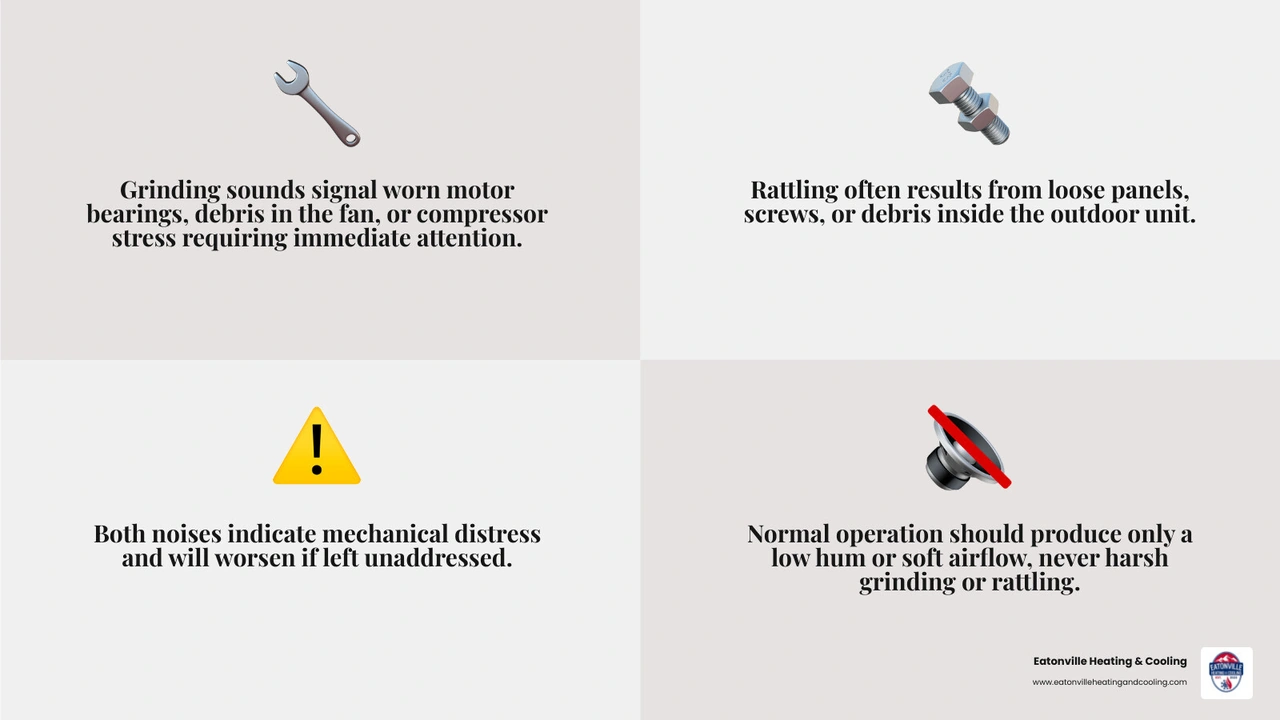
- Grinding noises usually point to worn motor bearings, a misaligned fan blade, or debris caught in the fan assembly — all of which can cause serious mechanical damage if left alone.
- Rattling noises most often mean loose screws, panels, or foreign objects like leaves and twigs inside the outdoor unit.
- Both sounds are abnormal and should be addressed promptly — they rarely go away on their own and tend to get worse over time.
| Noise Type | Most Likely Cause | Urgency Level |
|---|---|---|
| Grinding | Worn motor bearings, debris in fan, compressor stress | High — turn off and inspect |
| Rattling | Loose panels, screws, or debris inside unit | Medium — inspect soon |
| Grinding + rattling together | Multiple loose or failing components | High — call a professional |
Think of these sounds the way you'd think of a strange noise coming from your car engine. It might be something small. Or it might be the early warning sign of a much bigger problem. Either way, you don't keep driving and hope for the best.
Heat pumps are built to run quietly. A steady, low hum and a soft whoosh of airflow are normal. Harsh grinding or persistent rattling are not. When those sounds show up, your system is trying to tell you something.
I'm Matthew Percy, owner of Eatonville Heating & Cooling, and over the years I've diagnosed dozens of heat pumps making exactly these kinds of noises — from simple debris fixes to failing motors that needed immediate attention before they took out the compressor. In this guide, I'll walk you through everything you need to know about what a heat pump making grinding or rattling noise means, how to safely check it yourself, and when it's time to call in a pro.
What a Heat Pump Making Grinding or Rattling Noise What It Means
In the HVAC world, sound is one of our best diagnostic tools. When a homeowner in Puyallup or Tacoma calls us because their system is acting up, the first thing we ask is, "What does it sound like?" As we move through May 2026, many local systems are transitioning between heating and cooling modes, which is often when these mechanical stresses become most apparent.
A heat pump making grinding or rattling noise what it means is typically a sign of mechanical distress or physical interference. Grinding is almost always metal-on-metal or significant friction within a moving part. It indicates that components that should be lubricated or separated are now clashing. Rattling, on the other hand, usually points to loose components. Because heat pumps vibrate naturally during operation, any screw that isn't tight or any panel that has slightly shifted will begin to "chatter" against the frame.
Ignoring these sounds can lead to a "domino effect" of component wear. For example, a small rattle in a fan shroud can eventually lead to the fan blade becoming misaligned, which then turns into a grinding sound as the blade hits the housing. This is why following a Heat Pump Service Guide Puyallup WA is so important for preventative care. Catching a rattle today prevents a total motor failure tomorrow.
Common Causes of Grinding and Rattling Sounds
When we arrive at a home in Graham or Spanaway to investigate a noisy unit, we usually find one of a few "usual suspects." Understanding these causes helps you determine if you're looking at a quick fix or a major repair.
Identifying a heat pump making grinding or rattling noise what it means for your fan motor
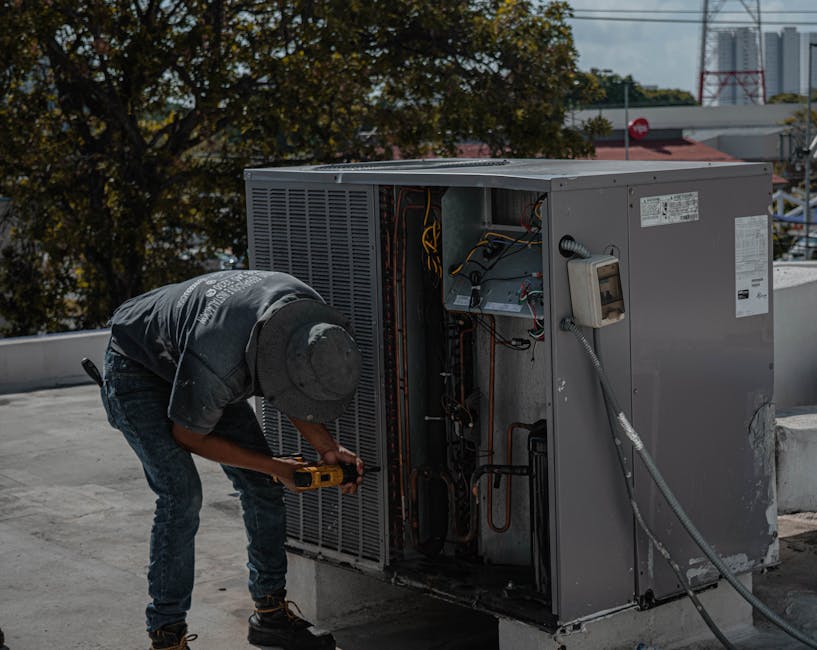
The outdoor fan motor is the hardest-working part of your exterior unit. If you hear a distinct grinding sound coming from the top of the unit, it’s likely the motor bearings. Bearings are small metal balls that allow the motor shaft to spin smoothly. Over time, the lubrication inside these bearings dries out or leaks. When that happens, you get metal-on-metal friction—the classic grinding sound.
Another common issue is fan blade misalignment. If a blade is slightly bent (perhaps from a heavy branch falling on the unit), it will eventually strike the metal side casing. This creates a rhythmic grinding or "scraping" sound that speeds up as the fan accelerates. If you suspect this is the case, our team for Heat Pump Repair Tacoma WA can help realign or replace the assembly before the motor burns out from the added resistance.
| Feature | Grinding Noise | Rattling Noise |
|---|---|---|
| Primary Source | Motor bearings, compressor, fan blades | Loose panels, screws, debris, piping |
| Sound Quality | Harsh, metallic, consistent | Intermittent, "clattering," vibrating |
| Risk Factor | High (Component failure imminent) | Moderate (Can lead to damage over time) |
| Common Fix | Lubrication or part replacement | Tightening fasteners or clearing debris |
Why freezing rain causes a heat pump making grinding or rattling noise what it means for winter operation
In our corner of Washington, from Lacey to Bonney Lake, we deal with plenty of freezing rain and "silver thaws." When ice builds up on the outdoor unit, it can cause terrifying noises. If ice forms on the fan blades, it throws the fan out of balance, leading to a heavy rattling or vibrating sound. If the ice builds up thick enough on the protective grille, the fan blades might actually hit the ice, creating a loud grinding or "crunching" noise.
During the defrost cycle, the unit's reversing valve shifts, which can cause a brief rattling or "whooshing" sound. This is usually normal, but if the rattle persists, it could mean the ice has physically shifted a component. For more on winter-specific issues, check out the Best Heat Pump Repair Olympia Guide for localized tips on handling ice and snow.
How to Safely Diagnose and Troubleshoot Noises
Before you call us out to your home in Eatonville or University Place, there are a few safe steps you can take to see if the fix is something simple.
- Safety First: Never stick your fingers or any tools into the unit while it is running.
- Power Shutdown: If the noise is a loud grinding, turn the system off at the thermostat immediately. If you want to look inside the cabinet for debris, turn off the power at the outdoor disconnect box (the small metal box mounted on the wall near your unit).
- Visual Inspection: Look through the top grille with a flashlight. Do you see a stick, a plastic bag, or a pile of pine needles? Debris is a major cause of rattling.
- Panel Check: With the power off, gently press on the side panels of the unit. If you feel one that is loose or moves easily, you might have found your rattle.
- Clearance Check: Ensure there is at least two feet of clear space around the unit. Overgrown shrubs can push against the cabinet, causing vibrations and strange noises.
For homeowners who want to ensure their system is in top shape, regular Heat Pump Service Eatonville WA is the best way to have these fasteners tightened and the internal components cleaned by a professional.
Immediate steps for a heat pump making grinding or rattling noise what it means for safety
If the grinding is accompanied by a burning smell or if your circuit breaker keeps tripping, do not attempt to restart the unit. This indicates an electrical short or a seized motor that could lead to a fire. Turn the breaker off and wait for a professional. If the noise is a light rattle, you can try tightening visible screws on the exterior panels with a screwdriver, but never open the internal electrical compartment yourself.
When to Call a Professional for Heat Pump Repair
While a loose screw is a DIY fix, most grinding noises require the tools and expertise of an HVAC technician. We serve a wide area, and our experts in Heat Pump Repair Puyallup WA often find that what sounds like a simple rattle is actually a "slugging" compressor or a failing reversing valve.
You should call us if:
- The grinding is persistent: If it doesn't go away after you've cleared away visible debris.
- The unit is vibrating excessively: If you can see the unit shaking or if the noise is vibrating the walls of your home.
- There are electrical smells: A "metallic" or "ozone" smell often accompanies failing motors.
- The system isn't heating or cooling: If the noise is paired with a loss of comfort, a major component like the compressor or the refrigerant charge may be at fault.
Ignoring a grinding sound is a gamble. The compressor is the "heart" of your heat pump and is one of the most expensive parts to replace. A failing fan motor that is allowed to keep grinding can eventually overheat and cause an electrical surge that damages the compressor. It's always more cost-effective to replace a motor than a whole system.
Frequently Asked Questions about Heat Pump Noises
Is it normal for my heat pump to rattle during the defrost cycle?
To an extent, yes. When the heat pump enters defrost mode in the winter, the reversing valve shifts the flow of refrigerant. This causes a sudden change in pressure that can lead to a brief "clunk" or a few seconds of rattling. However, if the rattling continues for the entire 10-15 minute defrost cycle, it likely means a mounting bracket or a refrigerant line is loose and vibrating against the frame.
Can a dirty air filter cause my heat pump to make grinding noises?
Indirectly, yes. A clogged air filter restricts airflow, which forces the indoor blower motor to work much harder to pull air through the house. This extra strain can cause the blower motor bearings to wear out prematurely, leading to a grinding sound coming from your indoor unit or vents. If you hear grinding inside, check your filter immediately!
What happens if I ignore a grinding sound from my outdoor unit?
The worst-case scenario is total system failure. A grinding motor will eventually seize up. When it stops spinning, the system will overheat, potentially blowing fuses, tripping breakers, or burning out the compressor. In our experience, homeowners who address these noises early save a significant amount of money compared to those who wait for the system to stop working entirely on a record-breaking hot or cold day.
Conclusion
A heat pump making grinding or rattling noise what it means is essentially your system's way of asking for help. Whether it's a simple case of debris from a windy Washington storm or the sign of a motor reaching the end of its lifespan, these sounds are your early warning system. By paying attention to these auditory clues, you can protect your investment and ensure your home stays comfortable year-round.
At Eatonville Heating & Cooling, we are a family-owned business dedicated to keeping our neighbors in Auburn, Gig Harbor, Lakewood, and beyond comfortable. We pride ourselves on honest diagnostics and reliable repairs. Don't let a small rattle turn into a major headache.
Schedule your professional inspection today and let our expert team restore the peace and quiet to your home.
Recent Posts
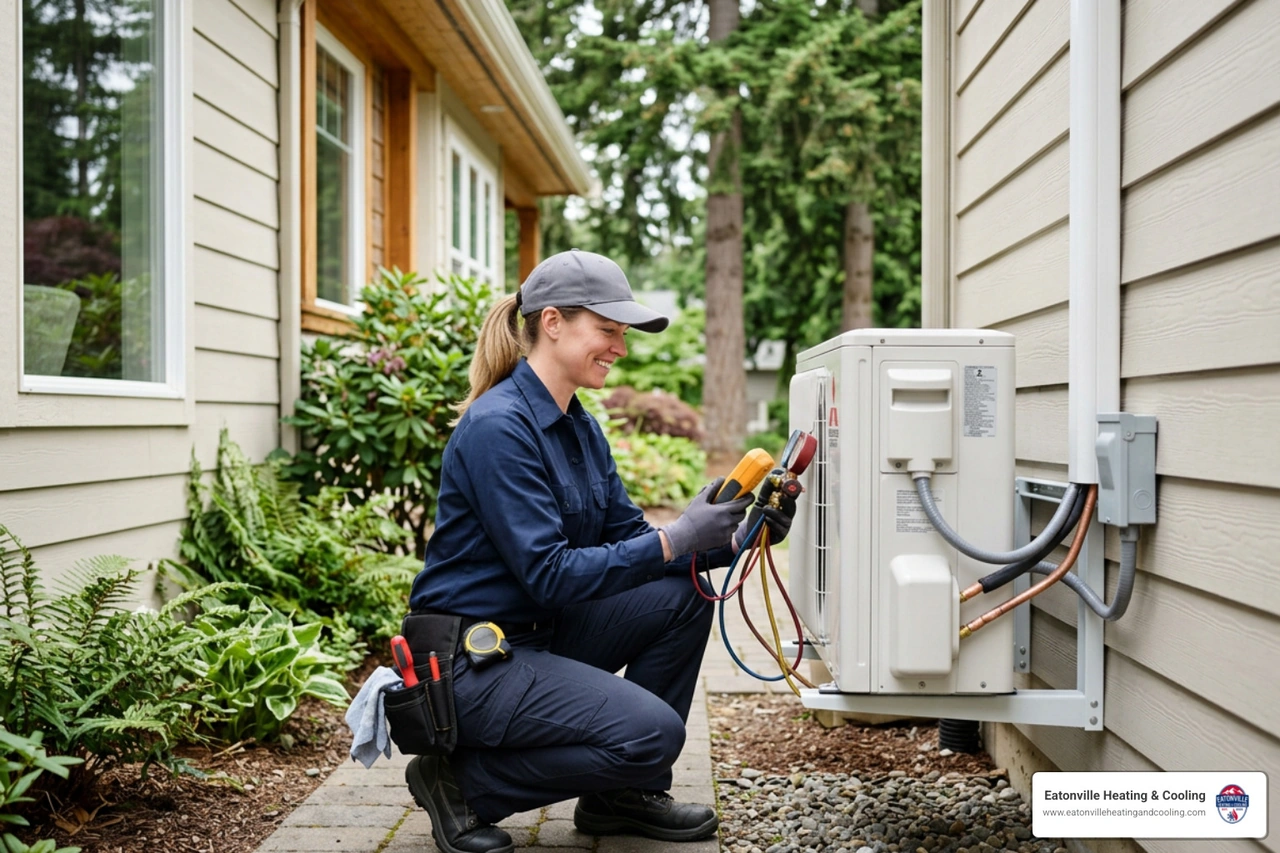
Signs Your Ductless Mini Split Needs Professional Service in Pierce or Thurston County
Recognize the signs your ductless mini split needs professional service in Pierce or Thurston County before small issues become costly repairs.
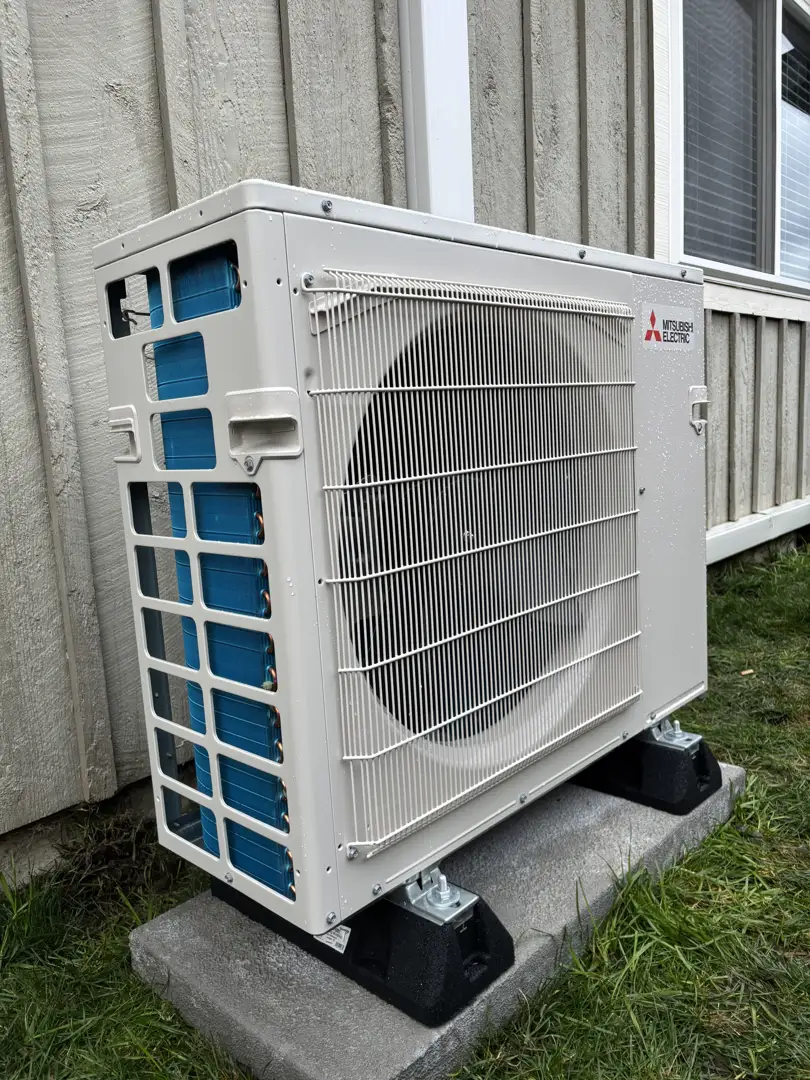
Everything You Need to Know About Why Proper Installation Affects Heat Pump Efficiency and Warranty in Washington
Learn why proper installation affects heat pump efficiency and warranty in Washington and how to protect your system with expert Eatonville installation.
How Ductless Mini Splits Handle Pacific Northwest Heat Dome Events
Learn how ductless mini splits handle Pacific Northwest heat dome events with efficient cooling for Eatonville homes.
How to Check Your Outdoor AC Unit After Winter
Learn what to check on your outdoor AC unit after a wet Pacific Northwest winter to prevent damage and ensure reliable summer cooling.
How to Assess Repair vs Replace for Your 15 Year Old AC
Is a 15 year old AC worth fixing in a South Sound home? Learn how to decide between repair and replacement for lasting comfort.
Step-by-Step Guide to Signs Your AC Compressor is Going Bad
Learn the signs your ac compressor is going bad in a pacific northwest climate and how to protect your Western Washington system.




All Rights Reserved.
